Alpine Ecosystem Funding Through Proceeds from Regional Number Games in Austria
Geschrieben von Erik Simmons · 18.10.2026
Alpine Ecosystem Funding Through Proceeds from Regional Number Games in Austria
Funding Pathways from Number Games to Mountain Conservation
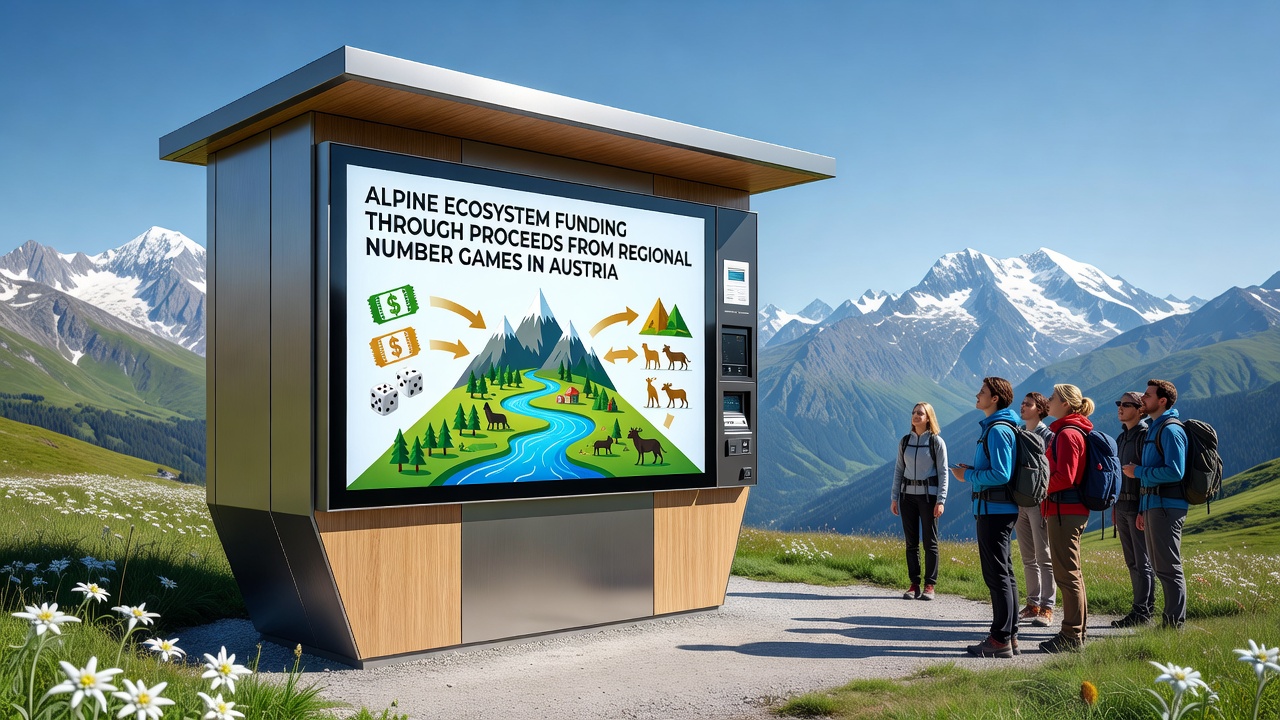
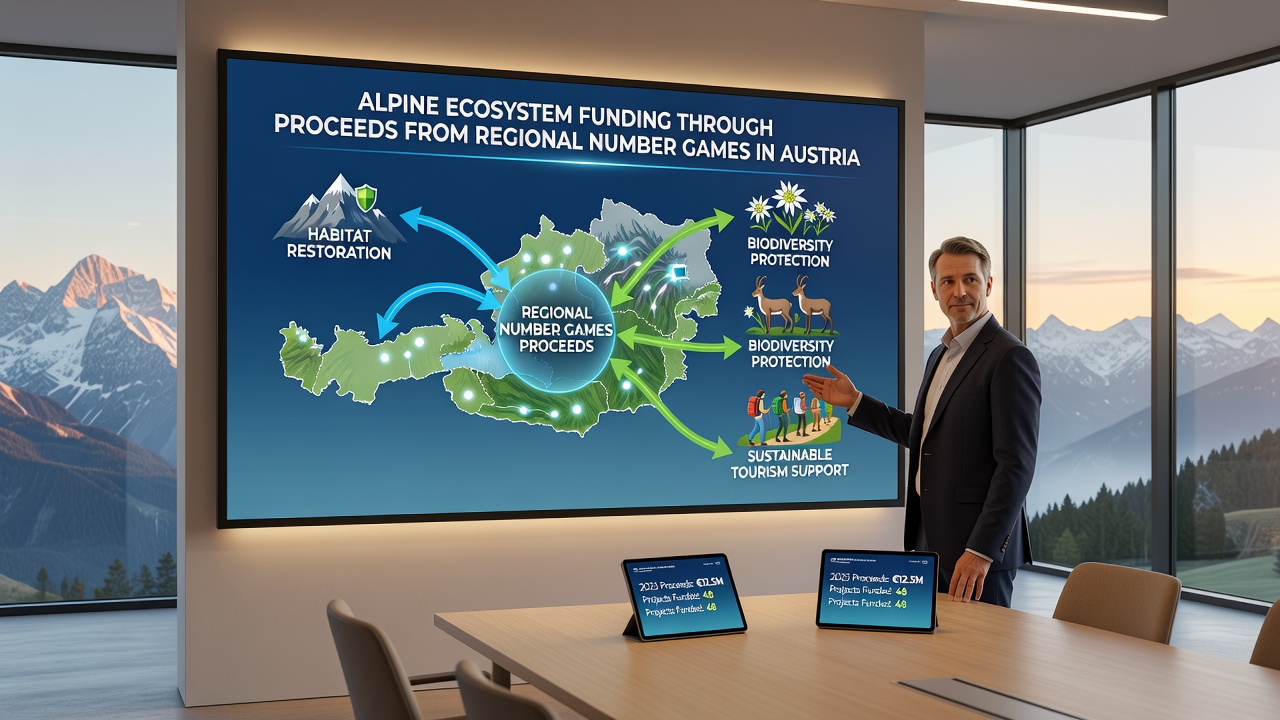
Austria's regional number games channel a portion of ticket sales into dedicated environmental accounts, and these resources reach Alpine ecosystems through structured allocation processes managed by state and federal bodies. Observers note that revenue pathways connect weekly draws directly to habitat restoration programs, trail maintenance projects, and species monitoring initiatives across the Tyrolean, Salzburg, and Carinthian ranges. Data from national lottery operators show consistent transfers that support both immediate interventions and long-term planning cycles.
Allocations follow legislative frameworks that earmark percentages of gross gaming revenue for nature protection, while independent audits verify distribution accuracy. Researchers at institutions such as the University of Innsbruck have tracked these flows over multiple years, and figures reveal that Alpine-specific grants have increased in step with overall participation in number games. This connection operates alongside other revenue streams including tourism levies and EU structural funds, creating layered financing models for mountain regions.
Allocation Mechanisms and Oversight Structures
Regional number game operators transfer funds quarterly to environmental agencies, and these agencies then distribute grants through competitive application rounds open to municipalities, research consortia, and nonprofit organizations. Criteria emphasize measurable outcomes such as hectares of restored wetland or reductions in invasive species coverage. External verification comes from bodies including the European Environment Agency, which publishes periodic reviews of how member states integrate gaming proceeds into biodiversity targets.
One study conducted across the Eastern Alps documented how funding supported the reintroduction of native plant communities on slopes previously affected by ski infrastructure expansion. Another project used proceeds to install wildlife corridors that reduce fragmentation between protected zones. These examples illustrate direct links between draw-based revenue and on-the-ground action, while transparent reporting requirements ensure public access to expenditure records.
Projects Supported in Recent Seasons
Funding has enabled several multi-year initiatives that began in 2024 and continue into 2026. Trail stabilization work in the Ötztal region received support to mitigate erosion from increased foot traffic, while water quality monitoring stations were deployed along tributaries of the Inn River. In October 2026, additional grants are scheduled for release to expand lichen and moss surveys that serve as indicators of air quality changes at higher elevations.
Local forestry services have utilized resources to plant climate-resilient tree species on slopes where traditional spruce stands show decline. Partnerships with the Alpine Convention have facilitated cross-border data sharing between Austrian teams and counterparts in Switzerland and Italy, and these collaborations rely partly on pooled gaming-derived budgets. Reports from the Alpine Convention detail joint protocols for tracking chamois and ibex populations that benefit from habitat connectivity investments.
Integration with Broader Environmental Strategies
Number game proceeds complement Austria's national climate adaptation plan, and they fill gaps where traditional public budgets fall short for smaller-scale or experimental measures. Data from the Austrian Federal Ministry for Climate Action indicate that roughly 8 percent of annual environmental project funding in Alpine districts traces back to gaming sources in recent reporting periods. This share supports pilot programs that later attract larger matching contributions from EU LIFE grants or private foundations.
Monitoring frameworks require recipients to submit geospatial data and photographic evidence at regular intervals, allowing agencies to adjust priorities based on results. One ongoing effort maps microclimate variations across 200 monitoring plots to inform future reforestation choices. Observers point out that such evidence-based approaches strengthen accountability while maintaining flexibility for rapid response to events like storm damage or beetle outbreaks.
Future Outlook and Reporting Cycles
Planning documents released in 2025 outline continued reliance on number game revenue through 2030, with projected increases tied to digital participation growth. October 2026 marks the next major disbursement window, when new calls for proposals will prioritize projects addressing permafrost thaw and its effects on slope stability. Annual reports compiled by the Austrian Environment Agency will incorporate these allocations into national biodiversity accounts, providing standardized metrics for comparison across EU member states.
Stakeholders across government, research, and civil society continue to refine criteria so that funding remains responsive to emerging pressures while preserving core conservation goals. The established mechanisms demonstrate how regional number games serve as a stable, recurring resource for protecting Austria's Alpine landscapes amid changing environmental conditions.
Conclusion
Revenue from Austria's regional number games reaches Alpine ecosystems through established legislative and administrative channels that prioritize measurable conservation outcomes. Documented projects range from habitat restoration to species monitoring, supported by oversight from national and international bodies. Continued allocations scheduled for October 2026 and beyond maintain this connection between gaming proceeds and mountain ecosystem management.