Austria's Lotto Ecosystem and Its Role in Shaping Local Volunteer Networks
Geschrieben von Erik Simmons · 1.11.2026
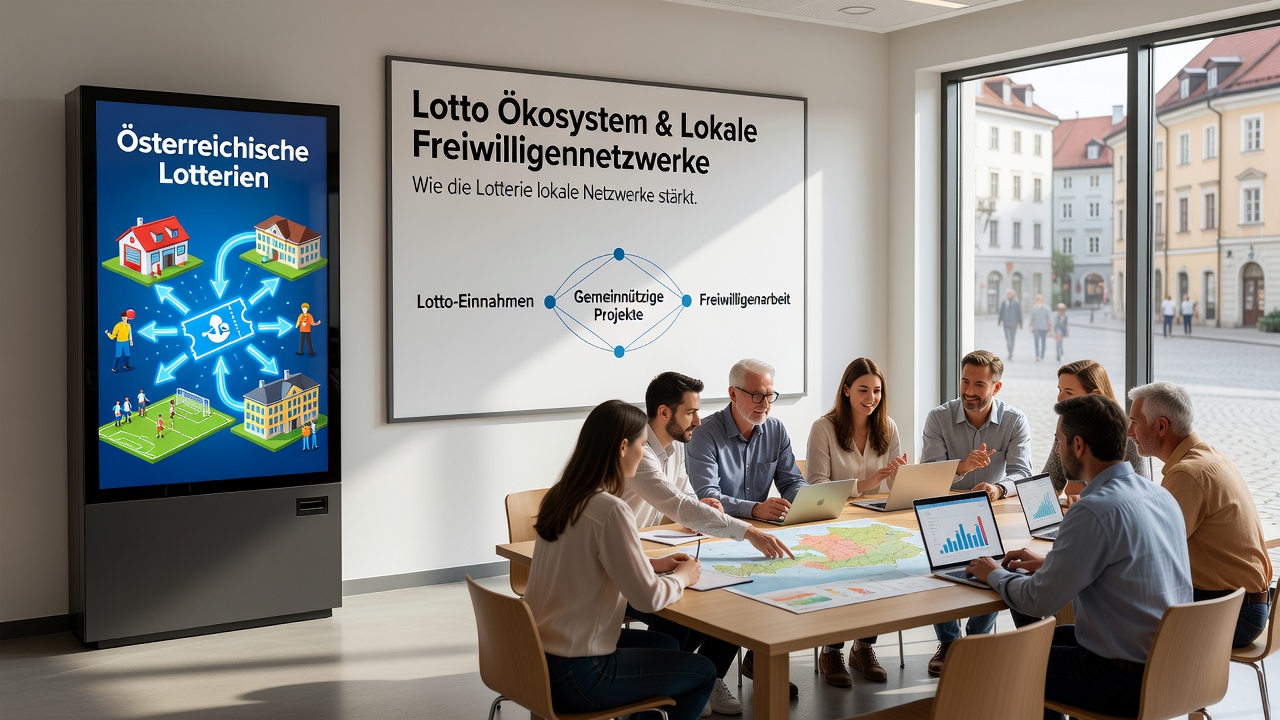
Austria's Lotto Ecosystem and Its Role in Shaping Local Volunteer Networks
The Austrian lottery system channels proceeds from number draws and scratch games into a structured funding framework that reaches volunteer organizations operating at the municipal level, and this mechanism has operated continuously since the establishment of the modern lottery operator in the 1980s. Proceeds first move through the central gaming authority before distribution formulas allocate portions to sports clubs, emergency response groups, and social service networks that rely on unpaid labor.
Funding Mechanisms and Distribution Pathways
Data from the Austrian federal gaming oversight body shows that roughly 20 percent of net lottery revenue flows into designated social and community budgets each year, while regional allocation committees review applications from volunteer coordinators who document staffing needs and project scopes. These committees operate under guidelines issued by teh Ministry of Finance, and they prioritize initiatives that demonstrate measurable community impact such as training programs for volunteer firefighters or equipment purchases for youth sports associations. In practice the process requires groups to submit annual reports that track hours contributed by members alongside outcomes like event participation numbers or response times during incidents.
Observers note that smaller municipalities often combine lottery grants with local fundraising drives, which allows volunteer networks to expand beyond basic maintenance into larger outreach efforts. Figures released for the 2025 funding cycle indicate that 1,240 volunteer organizations received support totaling 47 million euros, with the largest shares directed toward alpine rescue teams and community centers that host after-school programs. The allocation model incorporates demographic data so that regions experiencing population decline receive proportional consideration for projects that maintain social cohesion.
Volunteer Network Development Patterns
Research conducted by the University of Innsbruck's social policy unit tracked participation rates among registered volunteers between 2018 and 2024, revealing that organizations receiving sustained lottery support recorded an average 14 percent increase in active members compared with groups funded solely through private donations. The study attributed part of this growth to training subsidies that cover certification courses for first-aid responders and event safety personnel, thereby lowering barriers for new recruits who might otherwise hesitate to join.
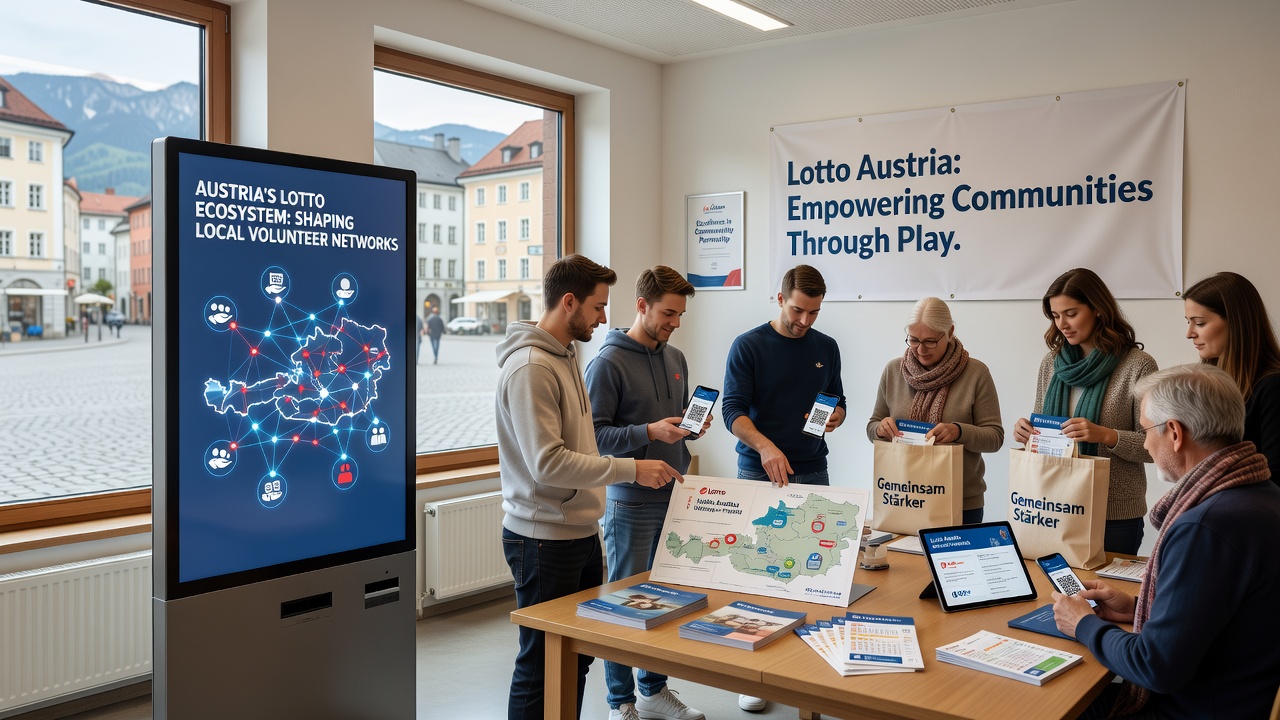
Many volunteer networks coordinate across neighboring districts through shared digital platforms that originated from earlier grant-funded pilot projects, and these platforms now facilitate equipment sharing and joint training sessions. In November 2026 the next major disbursement round will open applications specifically for digital infrastructure upgrades, allowing groups to modernize registration systems and communication tools that support larger volunteer pools during peak seasons such as winter tourism or summer festivals.
Regional Variations and Case Examples
Lower Austria maintains the highest number of funded volunteer fire brigades, whereas Styria channels a larger share toward cultural heritage groups that organize local festivals with volunteer labor. According to figures compiled by Statistics Austria, volunteer hours logged in supported organizations rose from 8.2 million in 2020 to 9.7 million in 2024, coinciding with expanded grant categories that cover administrative costs previously borne by individual members. This shift has enabled networks to recruit coordinators who manage scheduling and compliance tasks, freeing operational volunteers for direct service delivery.
One documented case involves a Tyrolean mountain rescue unit that used successive lottery allocations to purchase specialized communication devices and winter safety gear, resulting in a documented reduction in average rescue response times from 47 to 32 minutes across its coverage area. Similar patterns appear in urban districts where volunteer tutoring networks received equipment grants that allowed expansion into remote learning support during periods of restricted in-person gatherings.
Regulatory Oversight and Reporting Requirements
The Austrian gaming framework requires annual audits of all recipient organizations, and external evaluators verify that funds address stated objectives rather than general operating expenses. Reports submitted to the oversight authority must include breakdowns of volunteer recruitment sources, retention statistics, and alignment with regional development plans. This documentation feeds into broader policy reviews conducted every three years, during which distribution percentages can be adjusted based on demonstrated need across different volunteer sectors.
European Union transparency directives also influence reporting formats, requiring publication of aggregate funding data that allows cross-border comparisons of how member states support volunteer infrastructure. Austrian authorities publish these summaries on the federal transparency portal, enabling researchers to analyze correlations between funding levels and measurable community outcomes such as reduced emergency service costs or increased youth engagement metrics.
Conclusion
The Austrian lottery ecosystem maintains direct connections to volunteer networks through formalized allocation processes, audited reporting structures, and periodic policy reviews that respond to demographic and regional shifts. Continued disbursements scheduled through 2026 and beyond will determine how these networks adapt to evolving community needs while maintaining reliance on unpaid contributions from local residents.