Austria's Number Game Infrastructure: From Physical Outlets to Virtual Interfaces Over Time
Geschrieben von Riley Koch · 6.9.2026
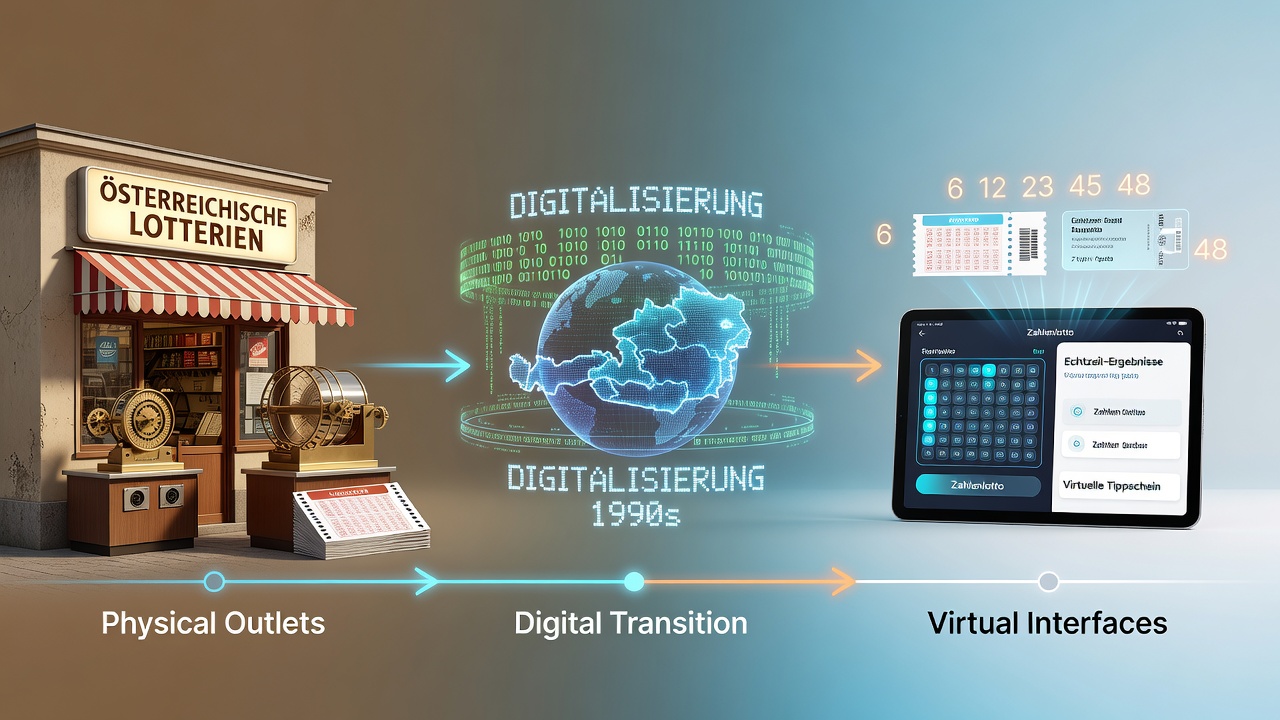
Austria's Number Game Infrastructure: From Physical Outlets to Virtual Interfaces Over Time
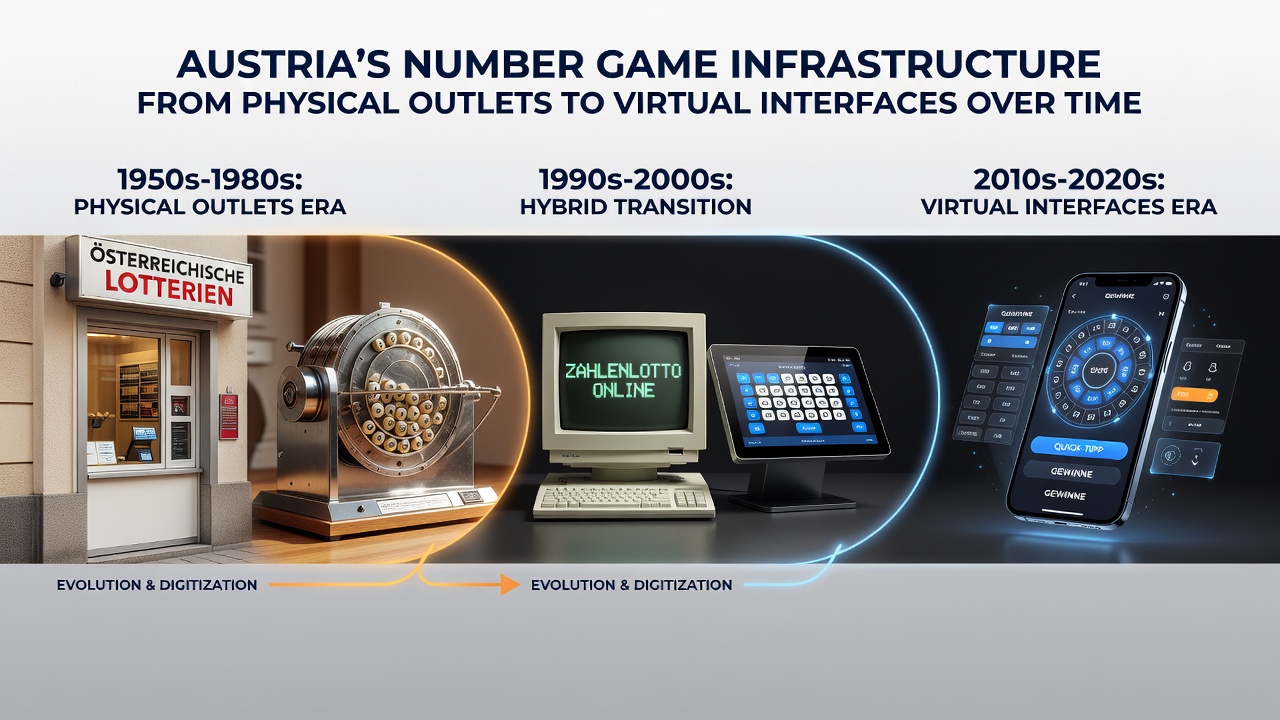
Physical outlets formed the backbone of Austria's number game system for decades, with licensed retailers handling ticket sales across urban centers and rural communities alike. These locations operated under strict guidelines set by national authorities, and they processed draws through manual verification methods until computerized terminals arrived in the late 1980s. Data from the Austrian Ministry of Finance shows that outlet numbers peaked near 4,000 locations by the mid-1990s, a figure that reflected widespread public access before digital options emerged.
Expansion of Retail Networks in the 20th Century
Retail partnerships grew steadily after the establishment of the national lottery operator in 1947, and they incorporated tobacconists, newsstands, and dedicated kiosks that accepted cash payments for various number combinations. Operators trained staff on security protocols to prevent fraud, while weekly draws relied on mechanical ball machines until electronic random number generators replaced them in the early 1990s. Researchers at the University of Vienna documented how these physical points created consistent foot traffic patterns, and they noted seasonal spikes during major jackpot periods that boosted sales volumes across the network.
Introduction of Digital Terminals and Early Automation
Terminal installations began rolling out in the 1990s as operators upgraded from paper-based systems to connected devices that printed tickets with barcodes for instant validation. These machines linked directly to central servers, and they reduced processing errors while allowing real-time tracking of sales data. By 2005, over 80 percent of outlets featured updated terminals capable of handling multiple game types simultaneously, according to internal operator reports. Such upgrades laid groundwork for later virtual expansions without disrupting established retail operations.
Shift Toward Online Platforms and Mobile Access
Online interfaces launched in the mid-2000s after legislative updates permitted regulated digital sales, and they required users to register with verified identification before placing bets through secure portals. Mobile applications followed shortly afterward, and they enabled ticket purchases via smartphones with features like push notifications for draw results. Participation metrics compiled by European gaming associations indicate that digital channels accounted for roughly 35 percent of total volume by 2018, a proportion that continued climbing as broadband coverage improved nationwide. Security measures incorporated two-factor authentication and encrypted transactions, while operators maintained separate systems for retail and virtual sales to comply with distinct regulatory tracks.
Integration Challenges and Infrastructure Upgrades
Operators faced technical hurdles when merging legacy retail data with new virtual platforms, yet they addressed these through phased migrations that preserved transaction histories across both channels. Cybersecurity audits conducted by independent firms verified compliance with EU data protection standards, and they recommended ongoing investments in server redundancy to handle peak loads during high-stakes draws. In September 2026, a scheduled platform refresh will introduce enhanced API connections between retail terminals and mobile apps, allowing unified account management for users who switch between physical and digital methods. This update builds on existing frameworks rather than replacing them outright.
Regulatory Oversight Across Channels
National laws require equal treatment of physical and virtual participants, with age verification enforced at outlets through ID checks and online through digital identification services. The Austrian regulatory body coordinates with EU counterparts on cross-border standards, and it publishes annual compliance summaries that detail audit outcomes for both infrastructure types. Industry reports from the Canadian Centre for Gaming Research highlight similar hybrid models in other jurisdictions, where balanced regulations support sustained participation without favoring one delivery method over another. Observers note that Austria's approach maintains separation between retail licensing and online permits to prevent overlap issues.
Future Infrastructure Developments
Planned enhancements include expanded self-service kiosks in high-traffic areas that combine physical ticket printing with digital wallet integration, and these units will accept contactless payments alongside traditional cash options. Data analytics tools will process anonymized sales figures to optimize outlet placement and online interface adjustments, drawing from patterns observed since the 2010s. Such developments reflect ongoing adaptation rather than wholesale replacement of established systems.
Conclusion
Austria's number game infrastructure demonstrates steady progression from widespread physical outlets to integrated virtual interfaces, supported by regulatory consistency and technological investment. Records show continued coexistence of both models, with each serving distinct user preferences while meeting shared standards for fairness and security. Developments scheduled through 2026 will further refine these connections without eliminating proven retail foundations.