Community Rituals Surrounding Weekly Draws and Their Evolution in Austrian Regions
Geschrieben von Sam Simon · 15.11.2026
Community Rituals Surrounding Weekly Draws and Their Evolution in Austrian Regions
Community rituals tied to weekly number draws have taken root across Austrian regions for decades, with patterns that shift alongside technological and social changes while retaining core elements in many areas. Observers note that these practices often center on local venues where residents convene on draw evenings, though the specifics vary from alpine villages in Tyrol to urban districts in Vienna and industrial zones near Linz.
Historical Foundations in Regional Gatherings
Early rituals emerged when physical outlets served as primary points for ticket purchases and result announcements, leading groups to cluster around shared radios or later television sets in cafes and community halls. Data from regional records shows that by the 1970s many villages in Salzburg and Carinthia had established weekly viewing sessions that combined draw anticipation with simple communal meals, a pattern that persisted even as national systems modernized. Researchers tracking participation indicate these meetings frequently involved number discussions passed down through families, where participants selected digits based on birthdays, historical events, or local landmarks.
Regional Variations Across Austrian Landscapes
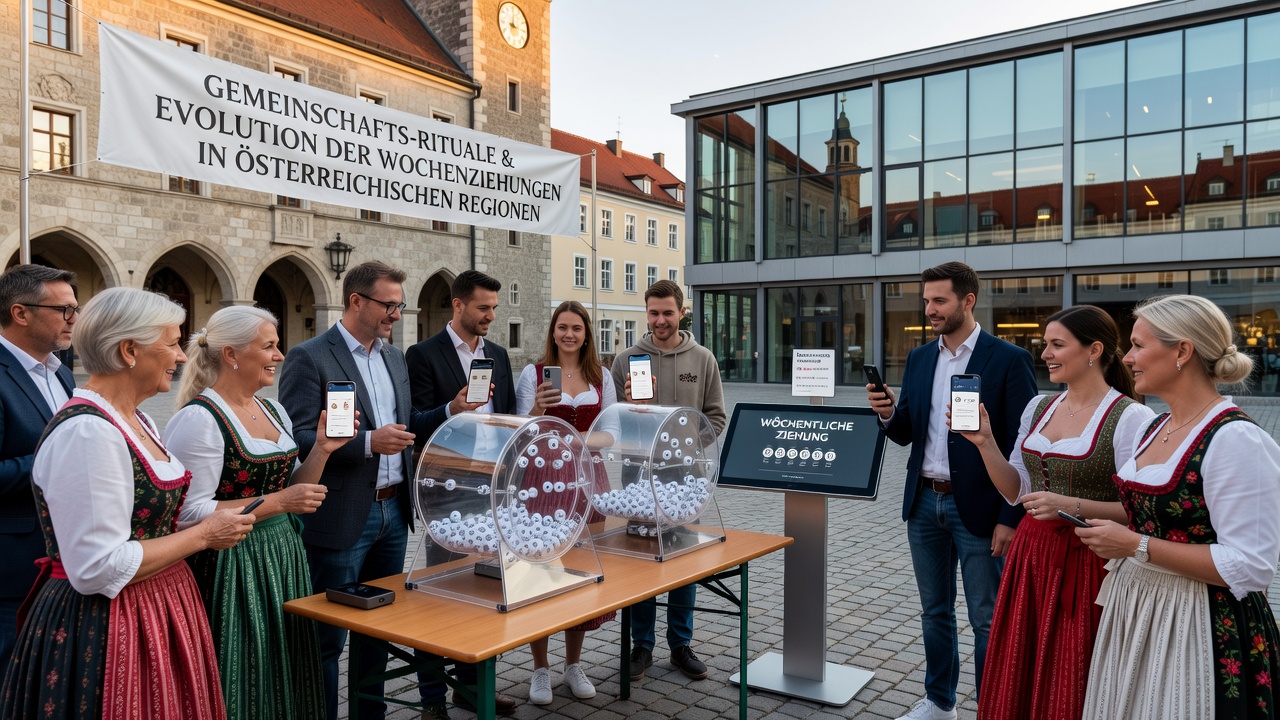
In western regions such as Vorarlberg, rituals often incorporate outdoor elements during warmer months, with groups assembling near town squares equipped with portable screens, whereas eastern areas like Burgenland tend toward indoor settings in gasthäuser that double as social hubs. Studies from Austrian academic institutions reveal that Styrian communities sometimes blend draw evenings with seasonal festivals, extending the event into multi-hour affairs that include music and shared stories about past wins distributed locally. What's interesting is how these customs adapt to terrain, with mountain hamlets relying more on word-of-mouth coordination compared to flatter, better-connected areas where announcements reach wider audiences faster.
Shifts Driven by Technology and Participation Changes
Digital platforms introduced in the early 2000s altered some rituals by allowing remote checking of results, yet many regions maintained physical meetups as anchors for social connection. Figures from industry reports show a gradual migration toward app-based verification by 2015, though observers tracking behavior found that older demographics in Lower Austria continued favoring collective viewings at established locations. And while online options expanded access, certain traditions like pre-draw number pooling among neighbors endured because they reinforced local bonds beyond the monetary aspect.
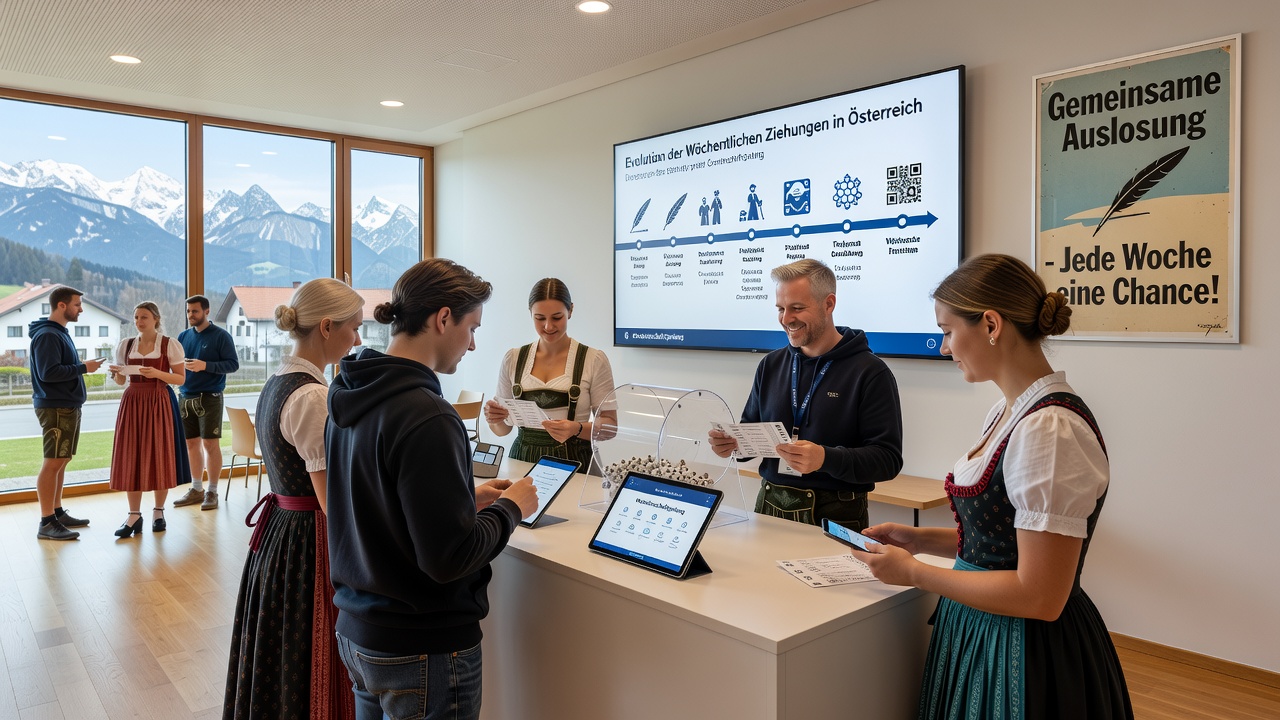
By the mid-2020s, hybrid formats had become common in places like Upper Austria, where participants might purchase tickets via mobile interfaces yet still gather for the live reveal. Research indicates that November 2026 marks a notable point when several regions plan coordinated digital-physical events to mark system updates, allowing both app users and traditional viewers to participate simultaneously in shared spaces.
Examples of Persistent Customs and Their Adaptations
Take one documented case in a Tyrolean village where residents maintain a custom of announcing chosen numbers publicly before each draw, a practice that evolved from handwritten lists on chalkboards to shared digital notes while preserving the group disclosure element. In contrast, Viennese neighborhoods have incorporated cafe-based prediction games that run alongside official draws, drawing from historical number folklore without altering core mechanics. Those who've examined participation data across decades note that such adaptations help sustain engagement even as demographics shift toward younger users comfortable with virtual interfaces.
External Influences on Ritual Development
Broader European regulatory frameworks have played a role in standardizing fairness measures that indirectly support community trust in the draws, encouraging continued local involvement. According to reports from the European Commission, harmonized standards across member states have coincided with stable regional participation rates in Austria. A separate analysis from Canadian researchers at the Responsible Gambling Council highlights how community-oriented activities around draws can persist when supported by transparent systems, offering parallels relevant to Austrian regional practices.
Conclusion
Community rituals around weekly draws in Austrian regions continue to evolve through a combination of longstanding social habits and responses to technological availability, with distinct expressions appearing in different provinces. Records show these practices have adapted without disappearing, maintaining elements of collective anticipation even amid expanded digital options projected through late 2026 and beyond. The patterns reflect broader changes in how residents interact with number games while keeping regional identities intact.