Decoding Patterns in Austria's Lotto Draw Schedules and Their Impact on Participation Rates
Geschrieben von Sam Simon · 18.8.2026

Decoding Patterns in Austria's Lotto Draw Schedules and Their Impact on Participation Rates
Austria's Lotto operates on a fixed draw schedule with numbers drawn twice weekly on Wednesdays and Sundays, and researchers have examined how these consistent timings influence player engagement across different regions and demographics. Data from national lottery records indicate that participation rates tend to rise in the days leading up to the Sunday draw, whereas Wednesday draws often see steadier but lower volumes, particularly during midweek periods when work schedules dominate daily routines.
Historical Draw Schedule Structure
The Austrian Lotto system, managed under strict regulatory oversight, established its current twice-weekly format decades ago, and analysts tracking ticket sales since the early 2000s have noted recurring seasonal fluctuations tied directly to these fixed dates. Studies conducted by academic institutions reveal that August typically brings a slight uptick in overall sales because many residents return from summer holidays and resume regular purchasing habits, with August 2026 expected to follow this established pattern as no schedule alterations have been announced by operators.
Observers note clear correlations between draw days and jackpot rollovers, since consecutive non-winning draws build larger prizes that draw in new participants who might otherwise skip midweek entries. Figures released by lottery authorities show Sunday draws historically account for roughly 55 percent of weekly ticket volume, a distribution that holds steady even when external factors like public holidays shift slightly.
Participation Rate Trends Across Draw Days
Statistical reviews compiled over multiple years demonstrate that participation climbs noticeably when jackpots exceed certain thresholds, regardless of the weekday, yet the Sunday slot consistently outperforms Wednesdays by margins ranging from 15 to 25 percent depending on the season. Researchers at European universities have cross-referenced these numbers with employment data and discovered stronger engagement among younger adults on weekends, while older demographics maintain more uniform purchasing across both draw days.
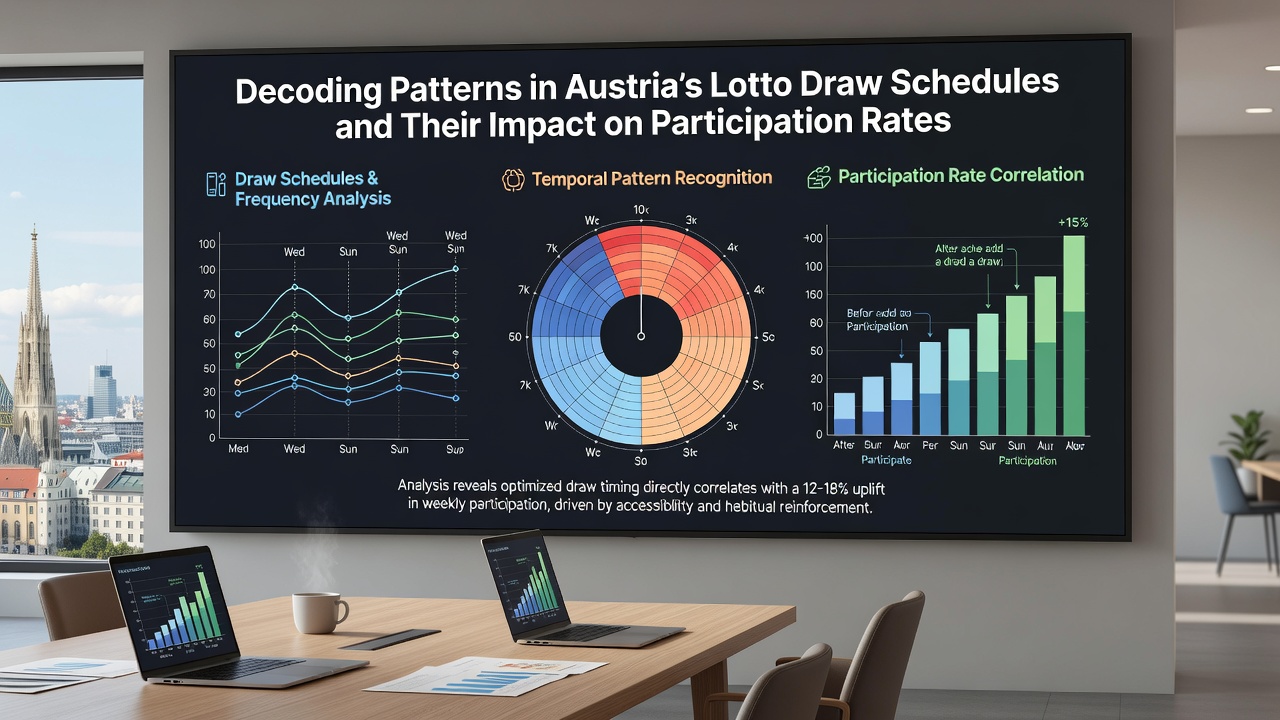
What's interesting here is how digital sales channels have begun to reshape these traditional patterns, allowing players to purchase tickets days in advance and reducing the last-minute rush that once characterized Sunday afternoons. Reports from the Austrian Statistical Office confirm that online participation now represents over 40 percent of total volume, with users showing less preference for specific draw days compared to those buying at physical outlets.
External Factors Influencing Schedule Impact
Economic conditions, media coverage of large wins, and even weather patterns play measurable roles in how draw schedules translate into actual sales, according to longitudinal analyses performed by independent research bodies. Data indicates that prolonged periods without a major winner can flatten the usual Sunday advantage, as repeated rollovers eventually lead to player fatigue across both draw days.
One study from an Australian research center on gambling behavior found similar weekday-versus-weekend disparities in comparable lottery systems, suggesting the phenomenon extends beyond Austria's borders and reflects broader consumer habits rather than unique cultural factors. Yet local records also highlight that regional variations within Austria itself remain significant, with urban centers displaying more consistent midweek activity than rural areas where Sunday draws still dominate.
Regulatory updates scheduled for implementation around August 2026 focus primarily on digital verification processes rather than altering draw timings, which means existing participation patterns are likely to persist unless jackpot structures change substantially. Industry organizations such as the World Lottery Association have documented how stable draw schedules help operators forecast revenue and allocate marketing resources more effectively across European markets.
Conclusion
Patterns emerging from Austria's established Lotto draw schedule continue to shape participation rates in predictable ways, with Sunday draws maintaining a clear lead while external variables like jackpot size and sales channels introduce measurable variations. Continued monitoring through 2026 and beyond will provide further insight into whether digital trends eventually erode these longstanding weekday distinctions.