Mobile Tech Shifts: How App-Based Verification Reshapes Daily Engagement With Austria's Number Draws
Geschrieben von Sam Simon · 4.10.2026
Mobile Tech Shifts: How App-Based Verification Reshapes Daily Engagement With Austria's Number Draws
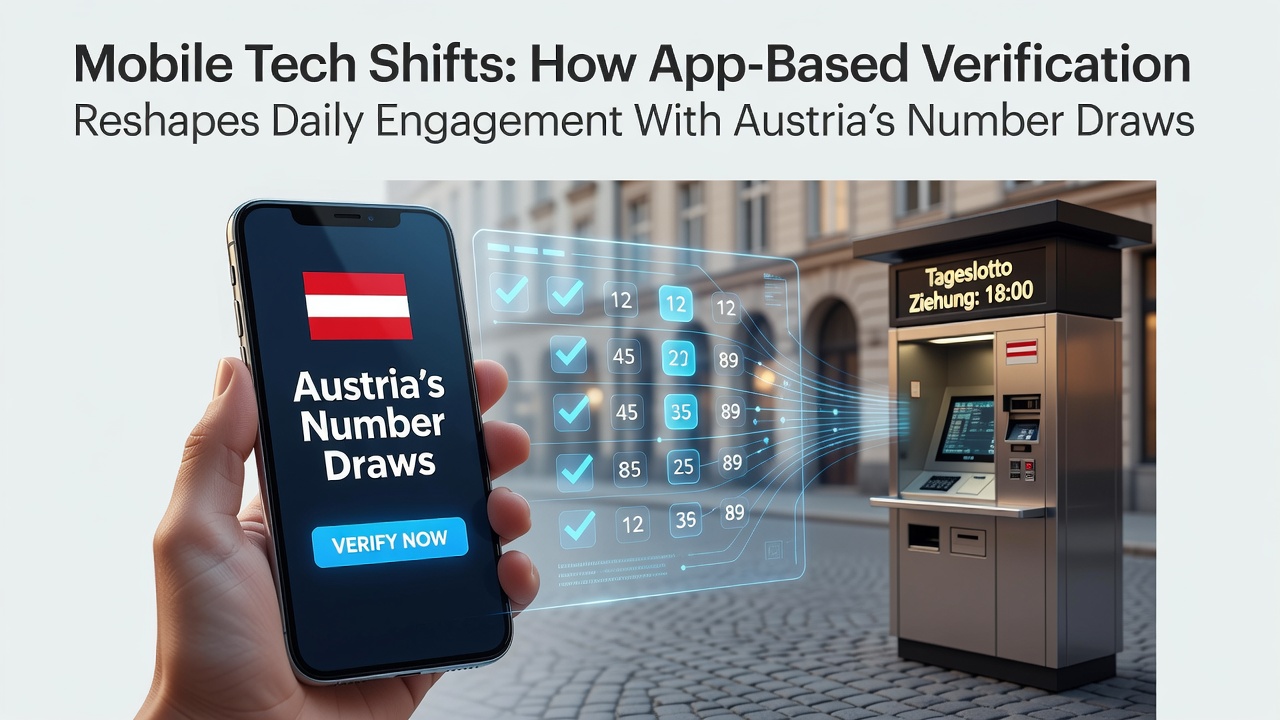
App-based verification systems have become central to how participants interact with Austria's number draws, shifting routines from occasional outlet visits to continuous mobile access. These platforms integrate identity checks, ticket purchases, and result notifications into single interfaces, allowing users to complete secure logins through biometric data or one-time codes generated within the app itself. Data from the Austrian lottery operator shows that registered accounts grew steadily through 2025, with verification steps required for every transaction above a set threshold.
Verification Processes in Daily Use
Users begin sessions by scanning official identification documents or linking bank accounts, after which the app confirms eligibility before any draw participation occurs. This process connects directly to Austria's regulatory requirements for age verification and responsible play tracking, replacing paper forms at physical locations. Observers note that the same sequence repeats for each draw cycle, whether players select numbers manually or use quick-pick options stored in their profiles.
Once verified, the interface displays upcoming draws alongside historical results, while push notifications alert participants about deadlines and outcomes. Research indicates that these alerts prompt more frequent logins compared to traditional weekly checks at kiosks, because the verification remains active for a set period after initial authentication.
Changes in Participation Patterns
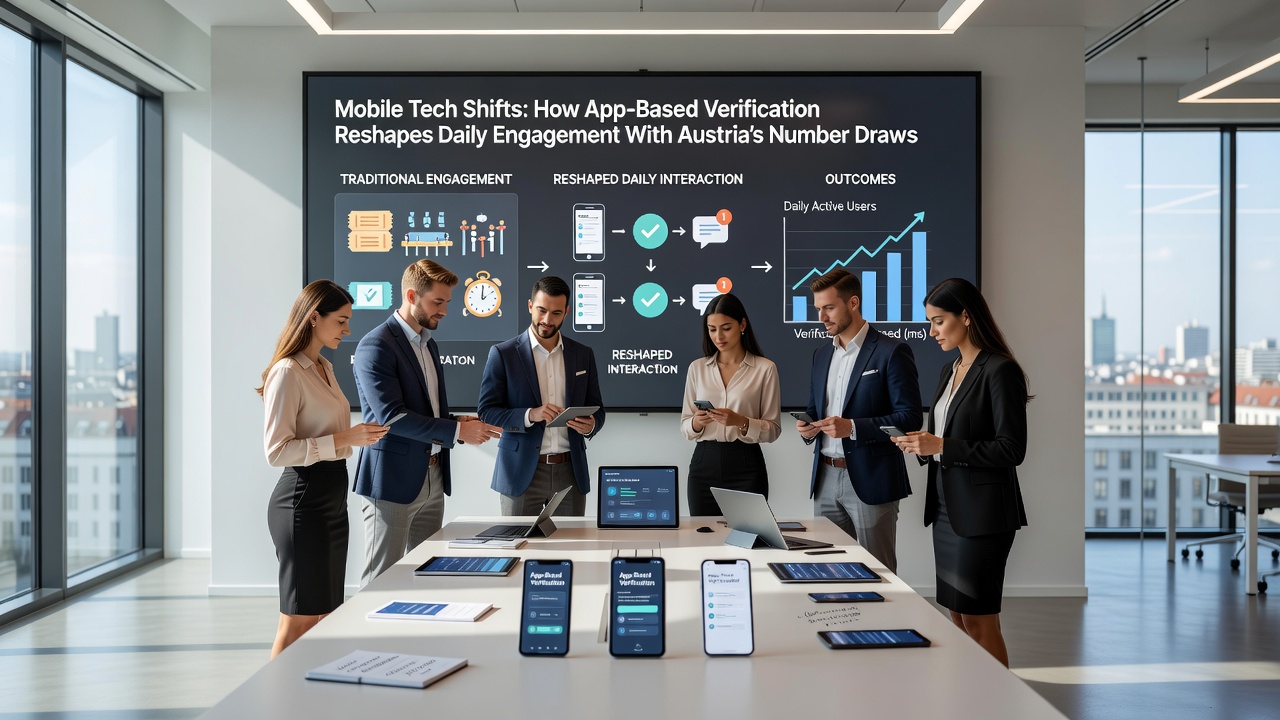
Figures reveal that app users check results multiple times per week rather than waiting for printed publications or broadcast announcements. The verification layer ensures each access ties back to an individual account, which in turn logs play frequency and spending limits enforced by the system. European Lotteries association reports highlight similar transitions across member countries, where mobile verification reduced average transaction times from several minutes at counters to under thirty seconds on devices.
Daily engagement also extends to syndicate management features, where verified group members coordinate contributions without exchanging physical tickets. The app maintains a shared record of entries, automatically updating each participant when draws conclude. This setup eliminates separate confirmation steps that previously required in-person coordination.
Security Measures and Regulatory Alignment
Encryption protocols protect verification data throughout each session, while device binding prevents access from unauthorized hardware. Austrian authorities require these standards to align with broader digital identity frameworks used in public services, creating consistency across government and commercial applications. In October 2026 the operator introduced updated multi-factor options that incorporate hardware keys for high-value accounts, further tightening the link between verification and draw participation.
Those who study user behavior observe that verified sessions correlate with higher completion rates for prize claims, because account details remain pre-populated and cross-checked against draw records. This reduces delays that once occurred when winners presented paper tickets without matching identification.
Broader Infrastructure Effects
Physical outlets continue to operate alongside apps, yet many now serve as pickup points for users who prefer hybrid engagement after completing initial verification digitally. The shift frees staff to handle complex queries while routine transactions move online. Industry data shows that total draw entries processed through verified apps exceeded half of overall volume by mid-2026, reflecting sustained adoption rather than temporary spikes.
Academic studies from institutions in Canada and the EU track how these verification systems influence time spent on lottery activities, noting that integrated notifications keep draws visible within daily phone routines. Participants receive outcome summaries, tax information summaries, and responsible play reminders within the same verified environment, consolidating what previously required separate channels.
Conclusion
App-based verification continues to restructure access to Austria's number draws by embedding security checks into every stage of participation. From initial account setup through result review and prize collection, the process maintains continuous identity confirmation that supports regulatory compliance and operational efficiency. As infrastructure updates progress into late 2026 and beyond, the pattern of daily mobile engagement shows no sign of reversal, with verification remaining the foundation for all recorded activity.