Tracing Revenue Pathways from Austria's Number Draws to Cultural Preservation Efforts
Geschrieben von Erik Simmons · 21.8.2026
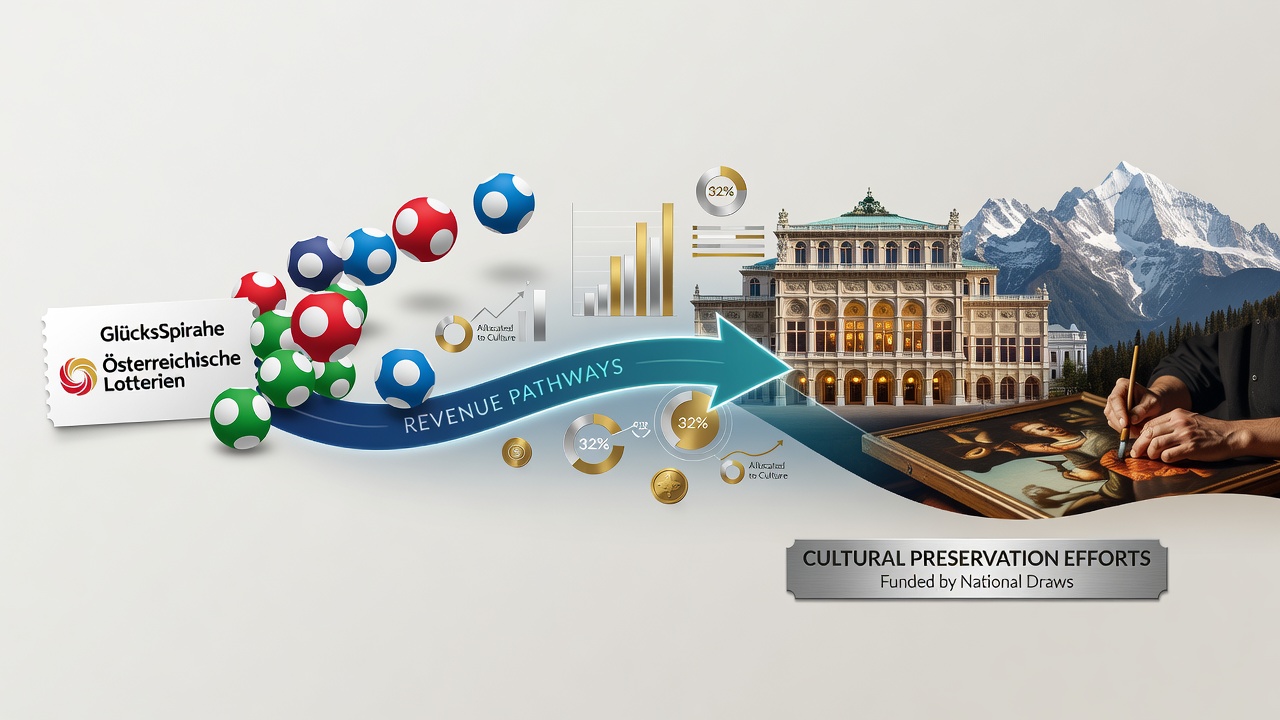
Tracing Revenue Pathways from Austria's Number Draws to Cultural Preservation Efforts
Austria's lottery operations generate substantial proceeds each year through number draws and related games, with a structured system directing portions of those funds toward public benefit programs. The national lottery operator channels a defined share of ticket sales into state-managed accounts that support social, educational, and cultural initiatives across the country. This allocation follows legal frameworks established by Austrian legislation, which designates specific percentages for heritage conservation and artistic endeavors rather than leaving distribution to chance. Revenue begins at the point of sale when participants purchase tickets for draws such as Lotto 6 aus 45 or related products. Operators deduct operational costs and prize payouts before transferring the remainder to designated public funds. Government oversight ensures that cultural preservation receives a consistent allocation, with annual reports detailing how these amounts support restoration of historic buildings, maintenance of museum collections, and documentation of intangible cultural traditions in regions from Vienna to rural provinces.Allocation Mechanisms and Oversight Structures
Legal statutes require the lottery to direct a fixed portion of net proceeds into cultural accounts administered by federal and provincial authorities. Auditors review these transfers quarterly to confirm compliance, while independent panels evaluate project proposals from heritage organizations. Observers note that this process creates a reliable pipeline because the funding formula remains tied to overall sales volume, which has shown steady patterns over recent decades despite fluctuations in individual game participation.
Provincial governments receive supplementary grants based on regional draw sales, allowing them to address local preservation needs such as protecting Alpine cultural sites or urban historic districts. Data from the Austrian federal administration indicates that these grants have supported over 200 heritage projects in the past five years, ranging from small-scale archive digitization to major cathedral renovations.
Project Examples and Funding Pathways
One documented case involves the restoration of medieval frescoes in Lower Austria, where lottery-derived funds covered specialized conservation work that would otherwise have required private donations. Another pathway directs resources to the Austrian National Library for digitizing rare manuscripts, preserving access for researchers while protecting physical originals from handling. These examples illustrate how number draw revenues move from central collection points through ministry budgets and into on-site implementation by specialized contractors.
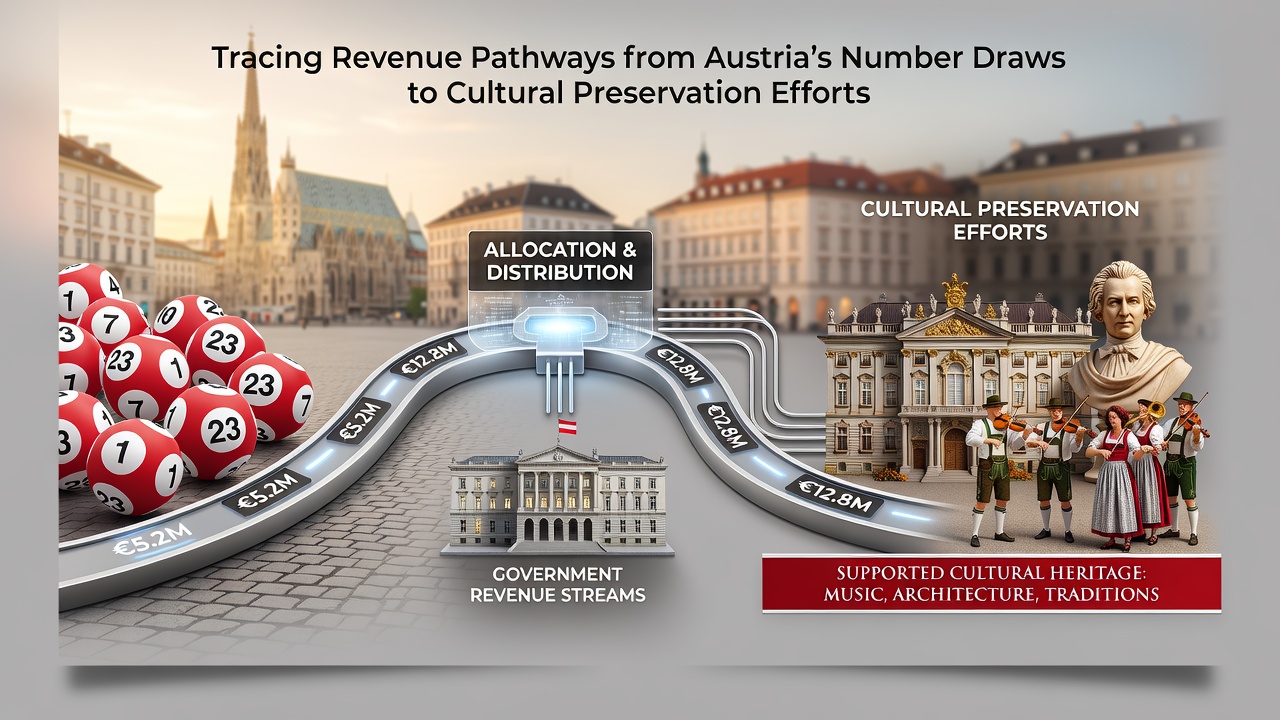
Additional flows support living cultural practices, including grants for folk music festivals and traditional craft workshops. Organizations submit applications that detail expected outcomes, such as training new artisans or recording oral histories. Approval committees prioritize projects demonstrating measurable impact on community engagement and long-term sustainability of cultural assets.
Recent Developments and Forward Projections
Figures released for the 2025 fiscal year show continued growth in cultural allocations despite broader economic variables. Planning documents already outline commitments extending into 2026, with specific initiatives scheduled for public announcement in August 2026 that will expand digital archiving efforts for endangered regional dialects. These upcoming projects aim to integrate new technologies while maintaining alignment with existing preservation standards set by national heritage authorities.
International comparisons appear in reports from the European Commission's cultural statistics unit, which tracks how member states utilize lottery mechanisms for similar purposes, and in analyses from the National Endowment for the Humanities that examine parallel funding models elsewhere. Both sources highlight Austria's approach as one that ties draw revenues directly to verifiable cultural outputs through transparent reporting.
Conclusion
The pathways connecting Austria's number draws to cultural preservation operate through established legal channels, audited transfers, and project-based evaluations that maintain accountability at each stage. As sales volumes fluctuate and new preservation priorities emerge, the system continues to direct resources toward tangible heritage outcomes across the country. Monitoring reports scheduled for release around August 2026 will provide updated figures on project completion rates and fund distribution efficiency.